Early Deadline
30 November 2026
Judging
Date
22 & 23 March 2027
Winners Announcement
22 April 2027
30 November 2026
22 & 23 March 2027
22 April 2027



Great wines don't always become successful wines.
In today's UK market, commercial success depends on understanding how consumers discover, choose and return to a bottle. From emerging regions and changing drinking habits to the impact of branding and online shopping behaviour, retailers have a unique view of what separates wines that simply impress from those that consistently sell.
As Senior Wine Buyer at Ocado Retail and a judge at the London Wine Competition, Will Hill evaluates wines through exactly that commercial lens. He discusses how online retail is changing wine buying, the regions he believes deserve greater attention, and the advice every producer should hear before entering the UK market.
The way consumers buy wine is changing rapidly. Online retail has transformed how shoppers discover new bottles, compare prices and explore unfamiliar regions, while data now offers retailers an unprecedented understanding of customer behaviour. Yet despite the technology, one challenge remains unchanged: finding wines that people genuinely want to drink.
When you're sourcing new products, you always have to consider the end consumer and how best to put the right products in front of them. I'm quite fortunate to have experienced a wide variety of environments with very different challenges.
Consumer expectations vary so much from retail to online, and hospitality, even within hospitality itself. At Ocado, we are 100% online, so we don't have the opportunity to tell a wine's story like a sommelier could. Our customers can't hold the bottle, read the label, or experience it physically before purchasing. That means understanding shopping habits and customer expectations becomes even more important, helping us market the right wines in the right places and making them easy to discover.

Image: Will showcasing Bulgarian wines at a trade presentation organised by Europeshares.eu and Westbury Communications.
It's true that we have a lot of data, and that really helps us to give our customers a better experience when shopping with us.
Honestly, there aren't too many surprises, but we can clearly see the popularity of certain search terms and conversion rates, which helps us stay on trend. Things like "chilled red wine" or "orange wine" aren't necessarily surprising categories anymore, but seeing how often customers actively search for them helps guide our buying decisions and future range development.
This is something I have always loved doing. Introducing people to exciting new discoveries is genuinely one of the parts of the job that keeps me motivated.
I love that consumers are open-minded enough to venture off the beaten path and try new things. My previous experience working extensively with wines from lesser-known regions has given me a great pool to draw from when sourcing these wines.
Our customers' trust is incredibly important to us, and the fact that they're willing to try something new reinforces my belief that if the wine is genuinely good, its country of origin becomes much less important than the quality in the bottle.
We will see more Georgian wines everywhere very soon.
They've done an excellent job of raising awareness in the UK while also producing affordable, high-quality wines that suit the British market. Here at Ocado, we're introducing a fantastic family-owned winery, Chelti, this year, along with the modern and approachable Tipsy Baby range.
I'd also love to see more Croatian wines available in the UK. The quality is exceptionally high, and as more people holiday there, they're discovering just how exciting these wines can be. It makes perfect sense for that demand to continue once they return home.
Another wine to keep an eye out for is Cviček, a traditional still wine from Slovenia. It's lower in alcohol, naturally high in acidity, and makes a wonderfully approachable light red that's absolutely delicious served chilled.
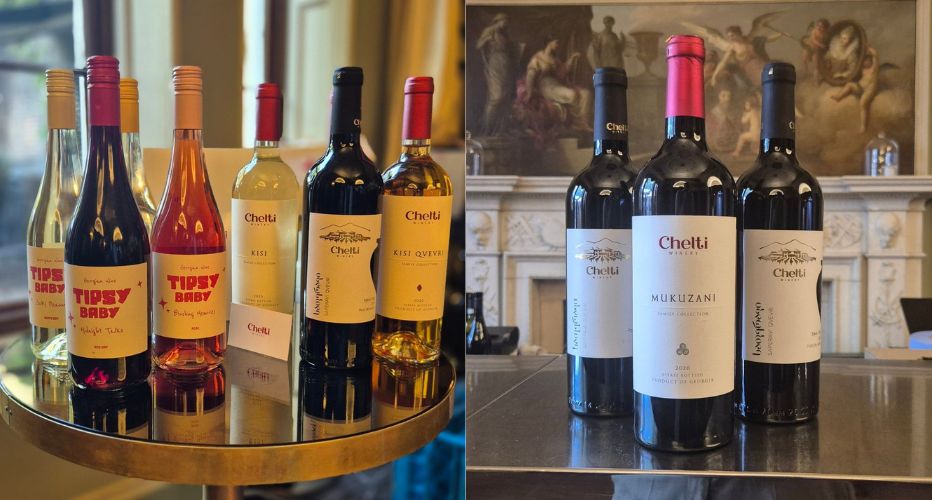
Image: Georgian wines Chelti and Tipsy Baby at London Fashion Week.
If a wine is just well made, it can sometimes lack excitement and vibrancy. It might be technically excellent, but if there's nothing memorable about it, it risks getting lost among thousands of other good wines.
Commercially successful wines are, of course, well made, but they also have personality. They stand out, connect with consumers and leave an impression. And people buy with their eyes too, so never underestimate the importance of strong branding and packaging.

Image: London Wine Competition.
Talk to wineries that are already selling successfully in the UK market.
They'll give you honest feedback about the realities of pricing, market expectations, timelines, and the challenges they faced entering the market. Learning from those experiences can save producers considerable time and help them approach buyers with much more realistic expectations.
Taxes and duty.
These continue to shape pricing, purchasing decisions and the commercial realities for everyone involved in the wine trade, from producers and importers through to retailers and consumers.
The Struma Valley.
Visiting a region that's away from the mainstream but rich in history, wine culture and passion, with some of the world's most exciting indigenous grape varieties, reminded me just how special wine can be. It reinforced the idea that some of the most rewarding wine experiences often come from looking beyond the regions everyone already knows.

Image: Will Hill at Struma Valley.
Throughout his career, Will Hill has worked in some of the UK's most influential wine buying environments, but one principle remains constant: successful wine buying begins with understanding the consumer. Whether using online shopping data to identify emerging trends, introducing customers to wines from lesser-known regions, or judging entries at the London Wine Competition, his focus is always on connecting great wines with the people who will enjoy them. As the UK market continues to evolve, driven by changing consumer preferences, digital retail and economic pressures, Hill believes that producers who combine quality with authenticity, clear positioning and realistic market expectations will be best placed to succeed.
Also Read:
Victòria Bryksa On Building Stronger Wine Brands For Global Markets
Andreas Rosendal MS On What Makes A Wine Stand Out Today
The Judge's Glass: Irem Eren on Evaluating No & Low Without a Benchmark
The 2027 London Wine Competition gives every entrant greater feedback, transparency and commercial insight. Entrants will receive an expanded score breakdown, constructive feedback on how to improve, guidance on how to market and sell their wines, the names of the judges who tasted their entries, final feedback from the Head Judge and a Buyer Market Intelligence Report.
Enter your wines in the 10th edition of the London Wine Competition.