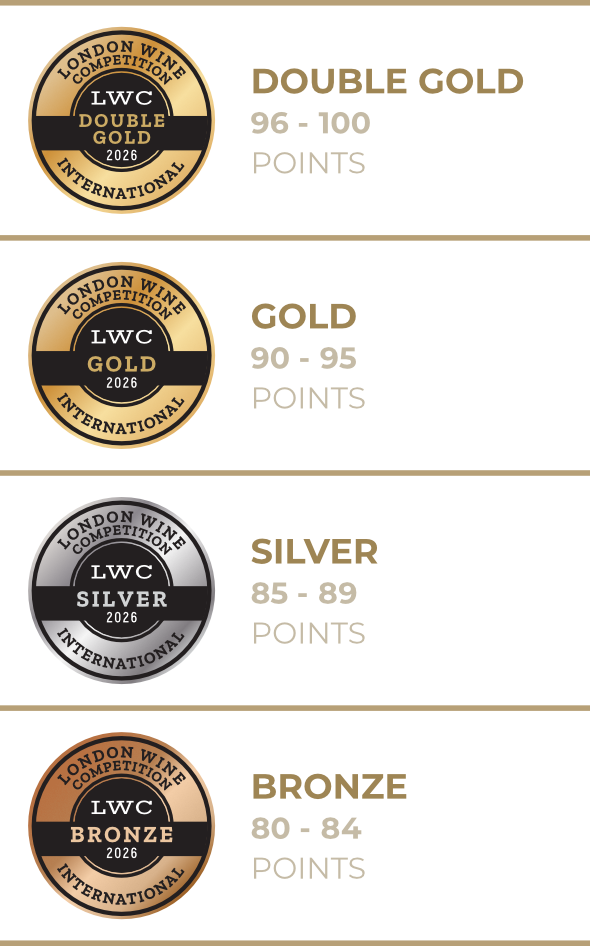
Early Bird Deadline
30 November 2026
Judging
Date
15 & 16 March 2027
Winners Announcement
15 April 2027
30 November 2026
15 & 16 March 2027
15 April 2027

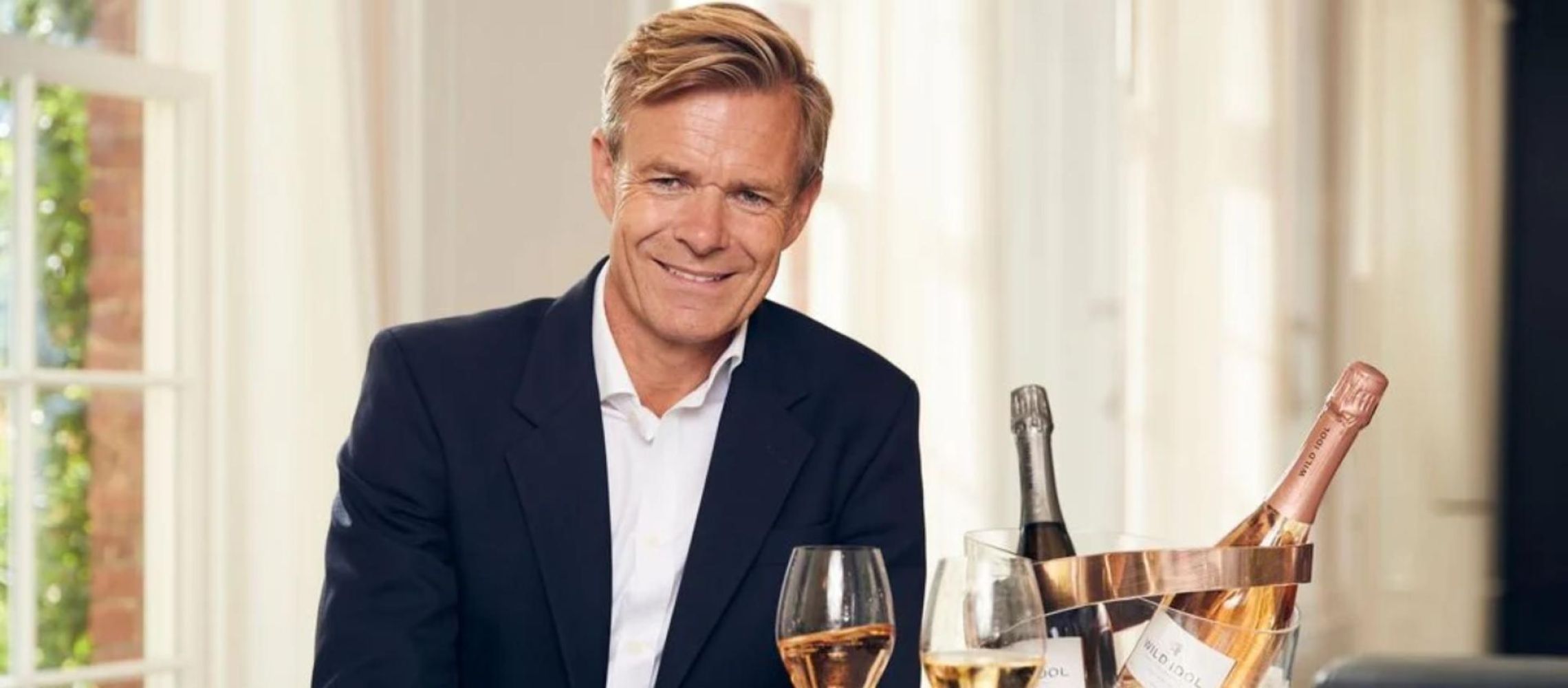
A place on a prestigious wine list can open doors, but earning a second order requires something more: a drink that delivers on its promise. For Paul Beavis, CEO of Wild Idol, that challenge sits at the heart of building a premium alcohol-free sparkling brand. Drawing on two decades at Champagne Lanson, he brings experience in luxury positioning, international markets and hospitality to a category still defining its standards. With Wild Idol, his focus is on creating a naturally alcohol-free sparkling alternative that gives consumers a compelling reason to choose it, whether for an aperitif, a food pairing or a special occasion. For wine buyers, retailers and sommeliers, the proposition raises questions about quality, pricing, presentation and the service needed to turn curiosity into lasting demand. In this interview, Beavis discusses the thinking behind Wild Idol, the lessons his Champagne career brought to the business, and the expectations shaping alcohol-free drinking. He also explores how producers and hospitality teams can establish credibility, communicate value, and build a place for the category within contemporary wine culture.
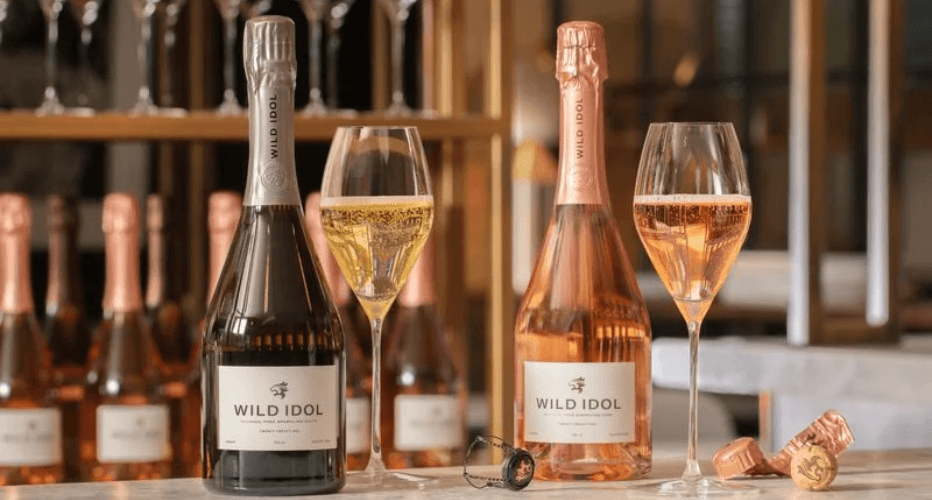
More people were choosing to drink less, but they still wanted a premium experience. We wanted to create something that could sit alongside the world’s best sparkling wines and give everyone a reason to be part of the celebration.
Since launch, we’ve seen an even greater global appetite for alcohol-free alternatives. Wild Idol is naturally alcohol-free, meaning there is no alcohol to remove. This allows for a more natural and delicate approach that preserves the quality and character of vinous varietals. We want people to choose Wild Idol because they genuinely enjoy what is in the glass.
When we started three and a half years ago, the category barely existed. We presented Wild Idol to more than 100 sommeliers across London, and the toughest response was the belief that alcohol-free sparkling simply did not belong on a serious wine list.
That made us even more determined to prove the quality of Wild Idol. We continued benchmarking it against Champagne and sparkling wines and focused on giving sommeliers the confidence to present it as premium, naturally alcohol-free sparkling. Today, we work with more than 80% of the sommeliers we originally approached, which shows how far the category has moved.
It is both. Whether someone buys a bottle at Harrods, orders it online, or discovers it through a premium restaurant, they expect quality and provenance.
Wine lovers choosing to moderate already understand the pleasure and ritual of opening a good bottle, and they want that same experience on occasions when they are not drinking alcohol. People who never drink are equally important. The opportunity is to give both audiences something they can actively choose and enjoy, rather than something that feels like a substitute.
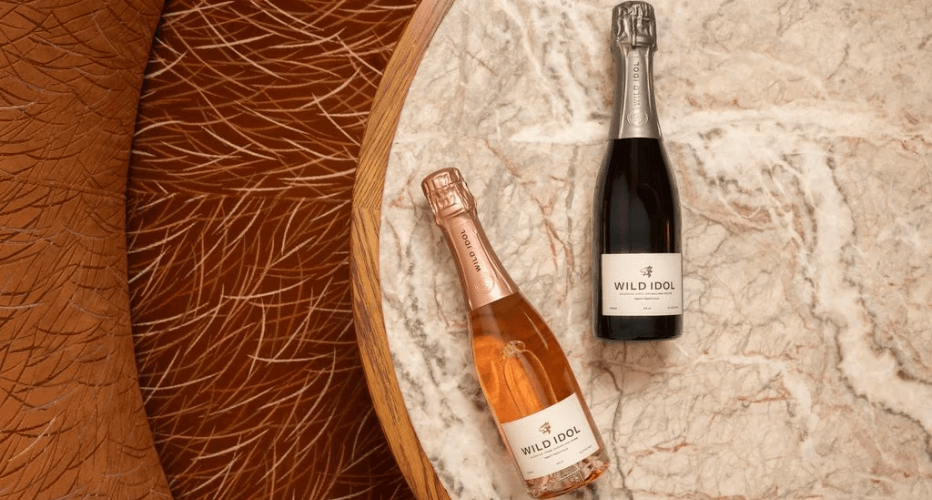
It should feel like a completely natural part of the service. I would always want Wild Idol to sit in the sparkling section rather than being hidden away on a separate “no and low” list.
It can be offered as an aperitif and enjoyed throughout a meal, served properly chilled in a tulip glass. The Brut works particularly well with seafood, Indian dishes and spicy food, while the Rosé can stand up to lamb and richer, cream-based desserts. Guests should be able to move between alcoholic and alcohol-free options without feeling that they are stepping down in quality or missing out.
Because there is no alcohol to remove, we can take a much more natural and delicate approach. Dealcoholisation can sometimes be a harsh process, removing natural flavours and structure along with the alcohol.
We begin with grapes selected for their quality, fruit character, acidity and freshness, then use a natural dosage to create structure and mouthfeel. Wild Idol is bottled at an exceptional pressure, benchmarked against Champagne and high-quality sparkling wines. This creates a fine sparkling mousse and a softer, more integrated bubble rather than something that feels aggressively carbonated or gassy.
The simplest way is to explain what those details bring to the glass. Each vintage reflects the growing conditions of that particular year, so elements such as acidity and ripeness will naturally vary between vintages.
Our White is made from Müller-Thurgau, which gives it fruit, spice, and freshness. The Rosé combines Müller-Thurgau with Merlot. Explaining the grape varieties, the vintage, and where the fruit comes from helps customers understand the source of the flavours and the care behind the product.
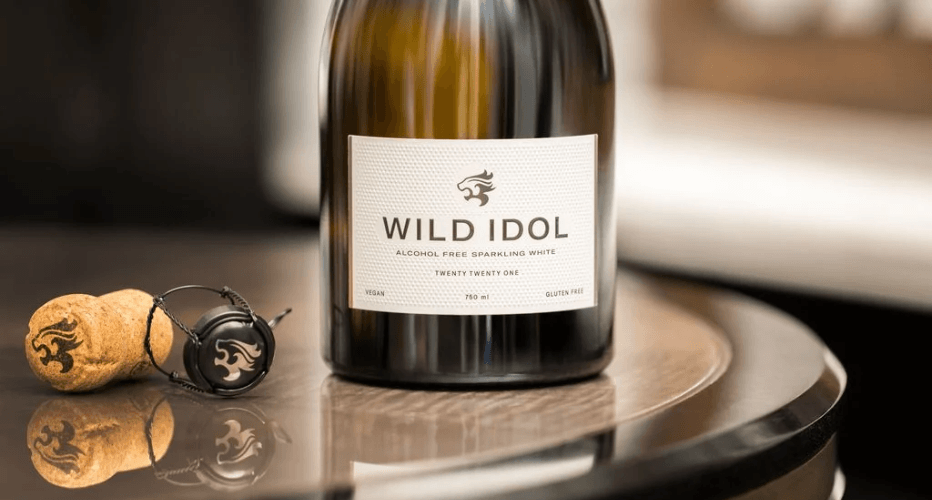
Premium has to begin with what is inside the bottle. We spent around two years developing WILD IDOL and have always prioritised quality over volume.
I would encourage buyers to ask about the provenance of the grapes, the quality of the vintage, and how the product has been made. A beautiful bottle is important, but packaging alone does not make something premium.
The most common mistake is presenting it without the same confidence they would give any other premium sparkling brand.
Tell guests about the grapes, the vintage, how it is made, and what they should expect in the glass. Someone choosing alcohol-free should feel that they are being introduced to something worth discovering, with the same care and knowledge that goes into every other recommendation.
What has surprised me most is the breadth of food that it can accompany. The Brut has enough freshness and structure to work beautifully with seafood, but it is also extremely effective with Indian dishes and spicy food.
The Rosé can stand up to lamb and richer dishes, while also working with cream-based desserts. Those combinations demonstrate that alcohol-free sparkling does not need to be limited to a welcome drink. It can hold its place throughout a meal.
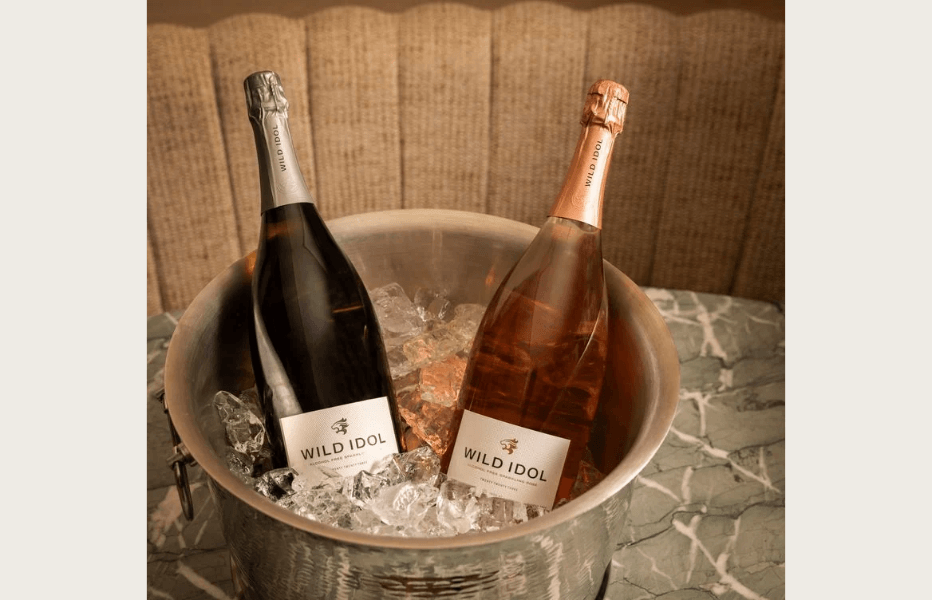
I would begin with balance, varietal character, and how little the original ingredients have been manipulated. Buyers should look carefully at how a producer creates acidity and structure, including whether ingredients such as lemon juice have been added to manufacture freshness.
I would also pay particular attention to the quality and integration of the bubble. Ultimately, I would judge the drink on how enjoyable and complete it feels, rather than simply assessing how closely it resembles an alcoholic wine.
We are particularly excited about exploring premium still wines. As with Wild Idol, the focus will be on provenance, a single vintage, and the influence of the winemaker.
The opportunity is to demonstrate what is possible across different grapes and styles while maintaining the same commitment to quality and giving people a genuine choice in what they drink.
[[relatedPurchasesItems-68]]
I believe alcohol-free sparkling has already earned its place. We are seeing it appear on serious wine lists and being recommended by sommeliers who understand the product and are confident presenting it to their guests.
The aim is not to challenge or replace the fine wine market. It is to add another high-quality choice within it. When guests select naturally alcohol-free sparkling because they enjoy what is in the glass, and restaurants serve it with the same knowledge and care as any other fine wine, it becomes a natural and permanent part of a premium drinking culture.
Also Read:
Strenk Winery: Redefining Alcohol-Free Wine from the Historic Vineyards of Tokaj
ZENO Wines: Redefining the Future of Premium Alcohol-Free Wine
Little Owl Wines: Making Greek Wine More Accessible for a New Generation of Drinkers
The 2027 London Wine Competition gives every entrant greater feedback, transparency and commercial insight. Entrants will receive an expanded score breakdown, constructive feedback on how to improve, guidance on how to market and sell their wines, the names of the judges who tasted their entries, final feedback from the Head Judge and a Buyer Market Intelligence Report.
Enter your wines in the 10th edition of the London Wine Competition.