Early Deadline
30 November 2026
Judging
Date
22 & 23 March 2027
Winners Announcement
22 April 2027
30 November 2026
22 & 23 March 2027
22 April 2027
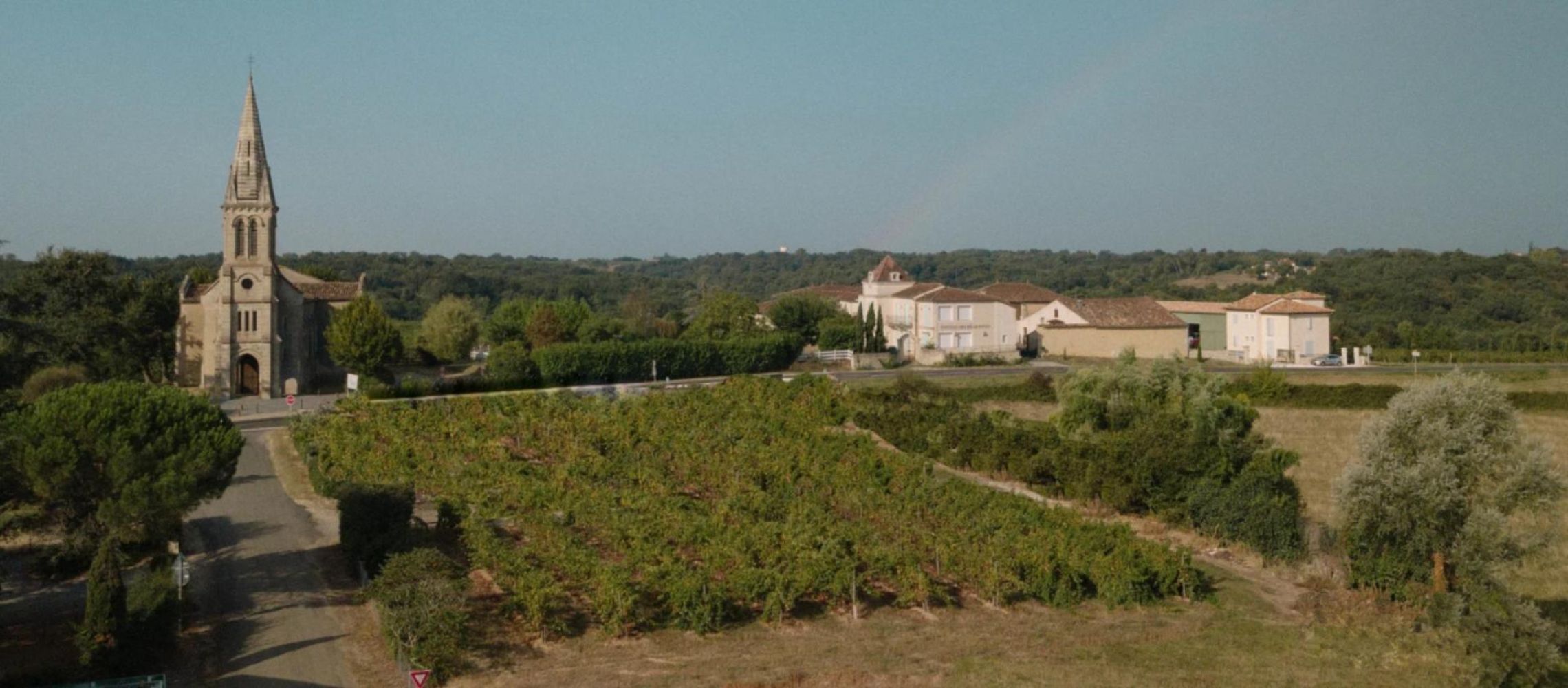
Château des Mille Anges sits on the right bank of the Garonne, about 30 km from Bordeaux, on steep, south‑east to south‑west facing slopes that ensure natural drainage and optimal sun exposure. The estate spans 30 hectares with gravel topsoil over a clay‑limestone subsoil, a combination that, together with the region’s mild oceanic climate, yields grapes of outstanding quality. The château’s name recalls the nearby “milange” site where the Sisters of the Assumption once ran a convent and cultivated vines for table and mass; Mrs Heather van Ekris purchased the vineyard in 1994 and has since made major investments, including a new chai for oak barrels, a renovated cuverie, climate‑controlled storage and staff/visitor apartments. The name honours the children once taught there, embedding a humane, community‑rooted story in the brand.
Vineyard and varietals. The vines average 20–30 years of age, with younger vines balanced by the ardour of older lots. Red wines are blends of Merlot (dominant), Cabernet Sauvignon and Cabernet Franc; the estate’s reds are produced exclusively from its own vineyard through a careful, subtle assemblage. Merlot contributes fruit, spices and flowers, adding suppleness and complexity; Cabernet Franc brings finesse and intensity with ripe red‑fruit notes; Cabernet Sauvignon provides fullness, structure, length and solidity via its tannins. Approximately 10% of production is a dry white blend of Sauvignon Blanc and Sauvignon Gris, the former giving rich perfume in the oceanic climate, the latter a pink‑tinted variant often used for semi‑sweet to sweet styles but here used for complexity in a dry wine.
Winemaking and élevage. Under consulting oenologue Hubert de Boüard (Château l’Angélus, Saint‑Émilion), yields are kept low at ≤48 hl/ha to prioritise quality. Grapes are harvested at optimum maturity; vinification begins with cold pre‑fermentation maceration at 8°C to extract colour and fruitness, followed by one week of alcoholic fermentation and a long cuvaison to smooth tannins. After malolactic fermentation, wines age 14–16 months in oak barrels (33% new each year), then are lightly filtered and bottled at the château. All cuves and storage facilities are individually climate‑controlled, ensuring consistent conditions throughout élevage.
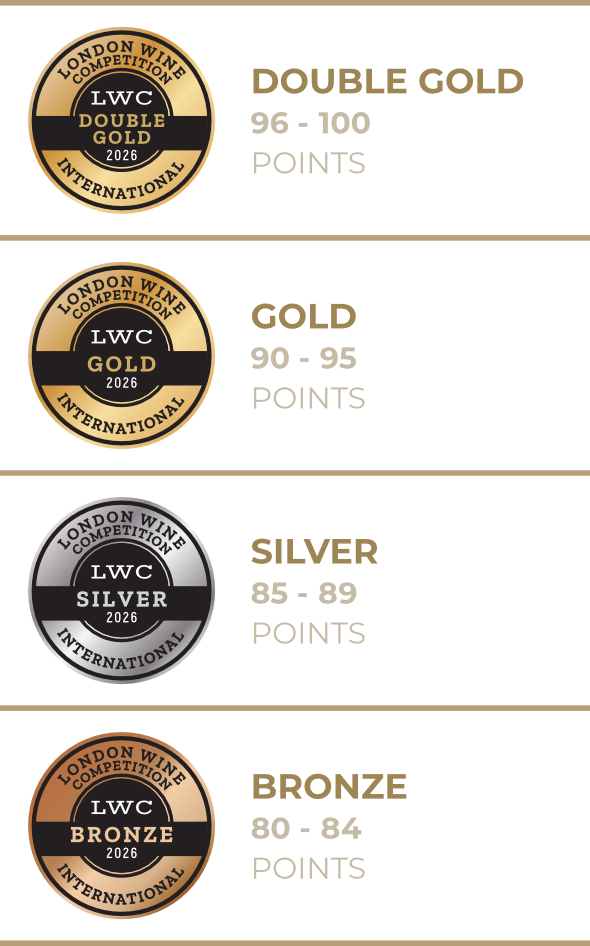
London Wine Competition 2026: Gold and Silver accolades. The estate’s recent competition results validate its quality trajectory and sustainable approach.
Commitment to responsible viticulture. Since 2021, the estate holds France’s Haute Valeur Environnementale (HVE) certification, one of the country’s highest environmental standards for farming, reflecting a holistic approach that places soil health and ecosystem integrity at the centre of agronomic decisions. The estate uses 100% organic fertilisation—compost produced on‑site plus certified organic fertilisers—and avoids synthetic fertilisers entirely, promoting microbial activity and improving the clay‑limestone structure of the terroir. Vineyard protection relies on biocontrol: beneficial micro‑organisms, plant extracts and sexual‑confusion pheromones, with copper and sulphur applied strictly within organic thresholds (max 3 kg Cu/ha/year averaged over 7 years) and only when epidemiological models and weather warrant it—no systematic treatments. Mechanical weeding is carried out across most plots using the Herbanet inter‑cep tool, preserving soil biodiversity and limiting runoff; targeted, localised chemical weeding is used only on steep slopes where mechanical passage poses erosion or safety risks, with full traceability. This long‑term approach aims to produce wines of excellence while durably preserving terroir potential in line with HVE requirements and consumer expectations for transparency.
Who it’s for and serving guidance. Château des Mille Anges wines are authentic and generous, with excellent cellaring potential yet approachable when young. Serve the 2020 red decanted 30–45 minutes at 16–18°C; pair with roast lamb, duck confit or mature cheeses. The cuvée Mozart, with its structured tannins and subtle smokiness, stands up to grilled game, mushroom‑based dishes or aged hard cheeses. The dry white is refreshing with seafood, goat cheese or as an aperitif.
Key facts at a glance
The 2027 London Wine Competition gives every entrant greater feedback, transparency and commercial insight. Entrants will receive an expanded score breakdown, constructive feedback on how to improve, guidance on how to market and sell their wines, the names of the judges who tasted their entries, final feedback from the Head Judge and a Buyer Market Intelligence Report.
Enter your wines in the 10th edition of the London Wine Competition.