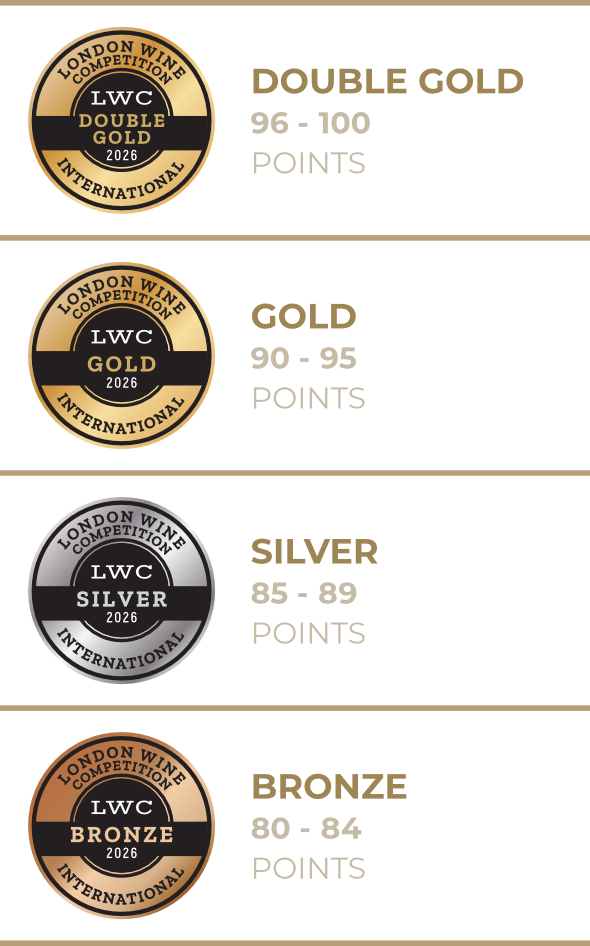
Early Deadline
30 November 2026
Judging
Date
22 & 23 March 2027
Winners Announcement
22 April 2027
30 November 2026
22 & 23 March 2027
22 April 2027
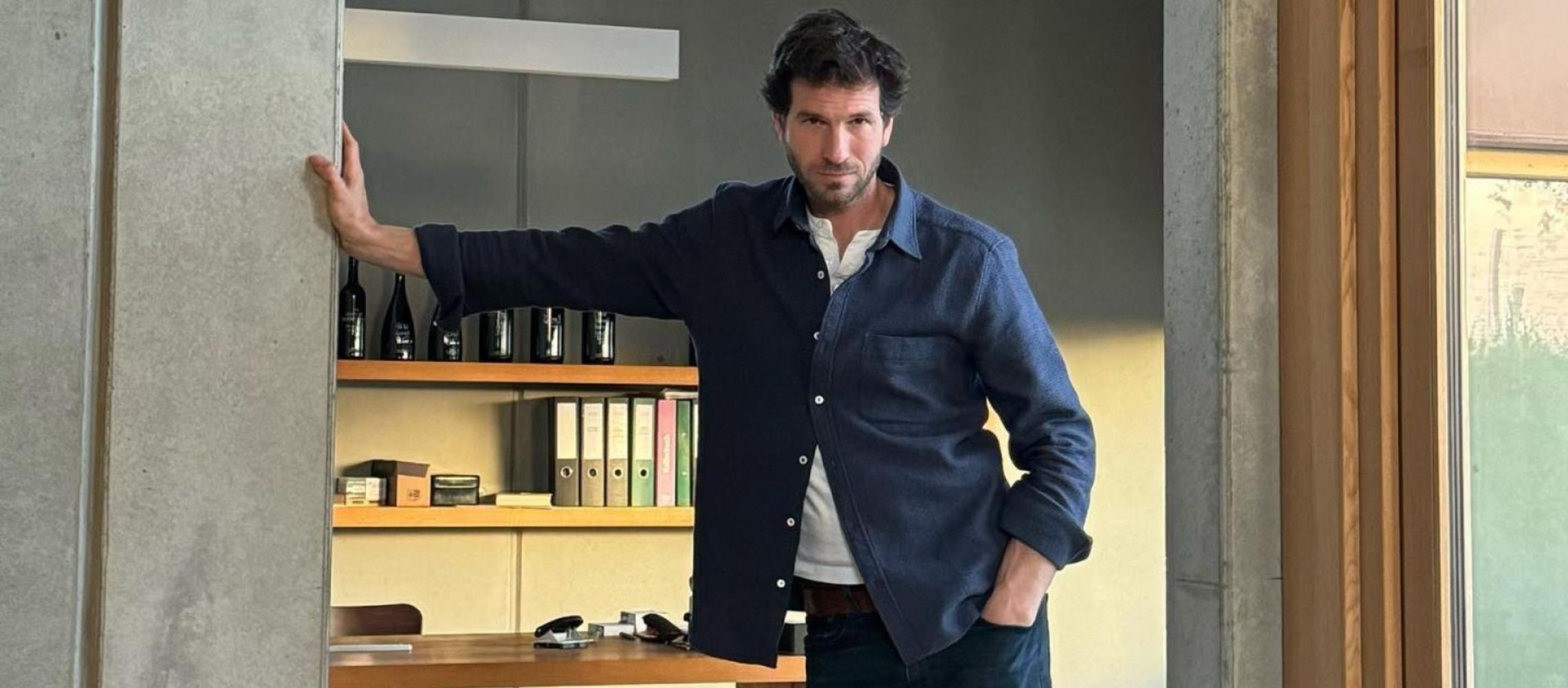
Some winemakers describe themselves through technique.
Christoph Edelbauer begins somewhere quieter.
"I believe in reduction," he says. "Not in shaping a wine according to a preconceived idea, but in creating the conditions for it to express where it comes from."
It is a deceptively simple philosophy, yet one that defines every aspect of his work at Weingut Christoph Edelbauer in Austria's Kamptal. From organic farming and hand harvesting to separate vinification of individual vineyards, every decision is guided by the same objective: preserving origin rather than imposing style.
For Edelbauer, wine is ultimately an act of observation.
Patience matters more than intervention. Listening matters more than control. Precision is essential, but perfection is not the goal.
"At the end," he explains, "what matters is not what I add to a wine, but what remains visible after I have stepped back."
That philosophy begins long before the grapes reach the cellar.
The estate is farmed organically, reflecting Edelbauer's conviction that healthy soils create healthier, more resilient vineyards capable of expressing themselves naturally. Trust, however, should never be mistaken for passivity.
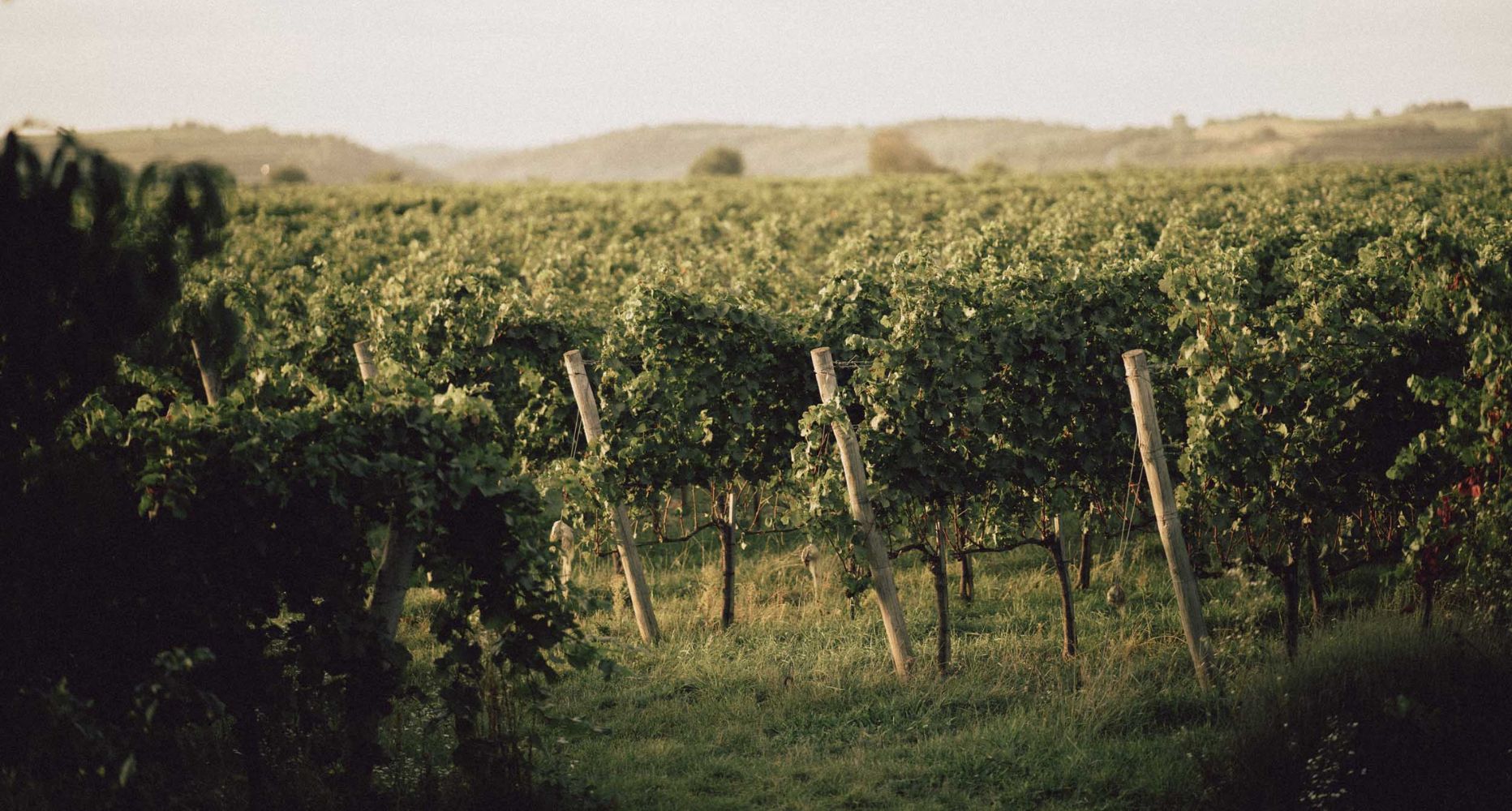
Image: Kamptal valley.
"Trust does not mean doing nothing," he says. "It means observing closely, understanding what a vineyard or a wine needs at a particular moment and responding with restraint."
Whether managing soils, determining harvest dates, or making cellar decisions, his approach is guided by thoughtful observation rather than routine intervention. Often, he suggests, the most important decision is recognising when no action is required.
That commitment to site expression defines the entire estate.
Each vineyard is harvested and vinified separately, allowing the distinctive characteristics of Kamptal's diverse soils to remain visible. Around Langenlois, vineyards span loess, schist, gneiss, and primary rock, each contributing its own personality to the finished wines.
"Terroir is not a concept or a marketing term," Edelbauer says. "It is a stance."
As consumers become increasingly interested in provenance, he believes authenticity comes not from storytelling alone but from allowing vineyards to communicate with clarity and precision.
Across the portfolio, that philosophy creates a recognisable house style.
Whether working with Grüner Veltliner, Riesling, or Burgundy varieties, Edelbauer consistently seeks freshness, structure, and tension rather than weight or excess. His wines are deliberately restrained, favouring energy over opulence and length over immediate impact.
"I am not interested in effects, excess ripeness or volume for its own sake," he explains. "I am looking for energy, balance and inner length."
For him, memorable wines are defined not by how loudly they announce themselves but by how faithfully they express their place of origin.
Nowhere is that philosophy more evident than in Riesling Ried Steinhaus.
The single vineyard has become one of the estate's defining sites, characterised by ancient mica schist and primary rock soils that naturally limit vigour while encouraging concentration and mineral precision. Its south-facing exposure allows grapes to achieve full ripeness, while the cool nights of the Kamptal preserve freshness and structure.
Those conditions, Edelbauer believes, create Rieslings that combine power with remarkable detail, balancing mineral intensity with tension and elegance.
That distinctive character earned international recognition at the 2026 London Wine Competition.
Riesling Ried Steinhaus was awarded both Riesling of the Year and Wine of the Year Austria, honours that acknowledged not only the quality of the wine but also its ability to communicate a strong sense of place. While Edelbauer is reluctant to speculate on why judges responded so positively, he believes the wine's success lies in its balance.
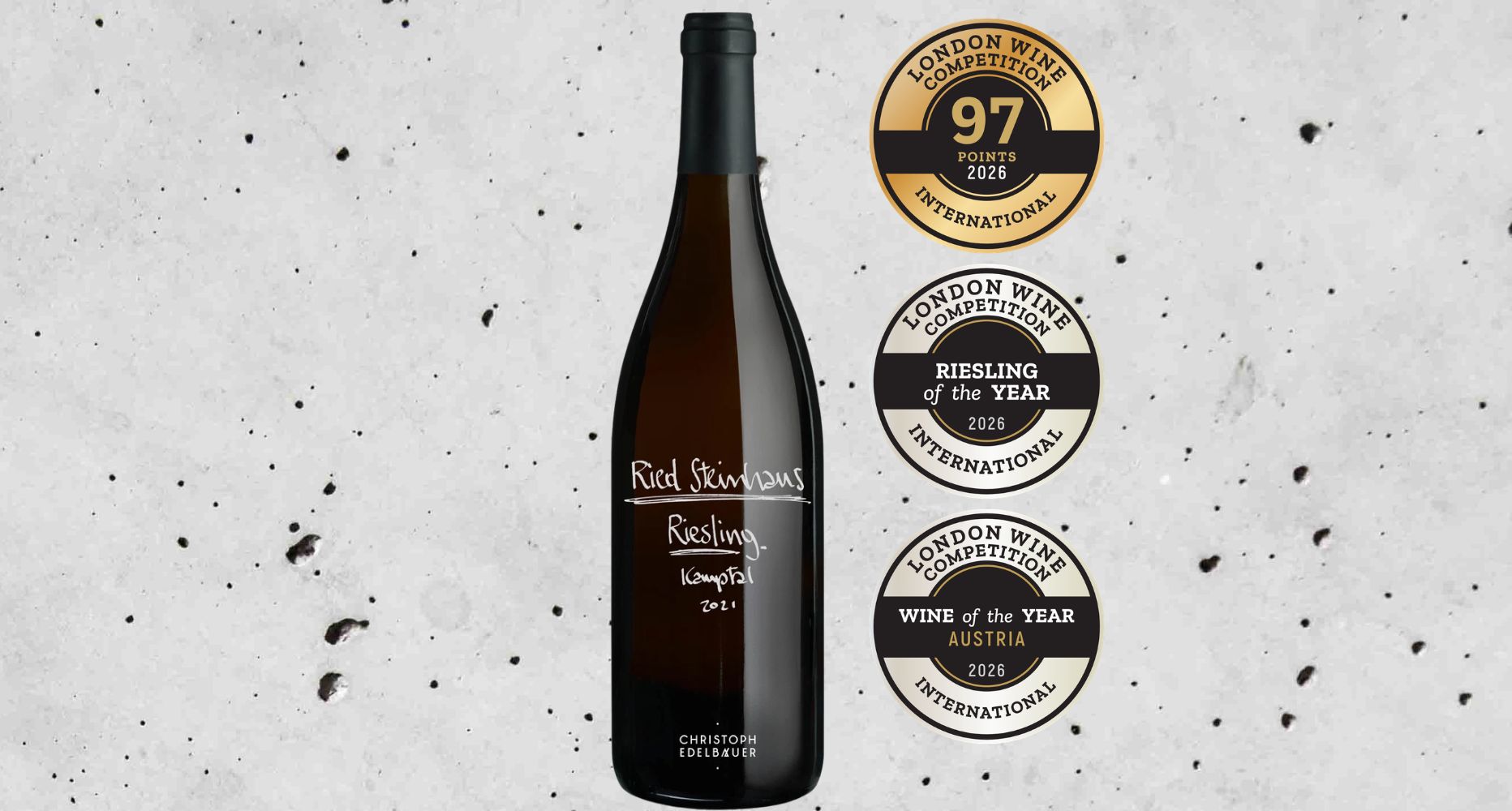
Image: 2026 London Wine Competition Winner - 2021 Riesling Ried Steinhaus Kamptal DAC earned "Riesling Of The Year" and "Wine Of The Year Austria".
"The wine shows ripe stone fruit, notes of almond blossom, flinty minerality and a subtle salinity," he says. "What may have resonated with the judges is the balance between accessibility and complexity. Accessibility creates drinkability and flow. Complexity reveals terroir, depth and finesse."
He recalls sensing early in the wine's development that the vintage possessed something exceptional, bringing together the personality of the vineyard and the conditions of the growing season in a way that felt unusually complete.
While Riesling has become one of the estate's international flagbearers, Pinot Noir occupies an equally important place in Edelbauer's thinking.
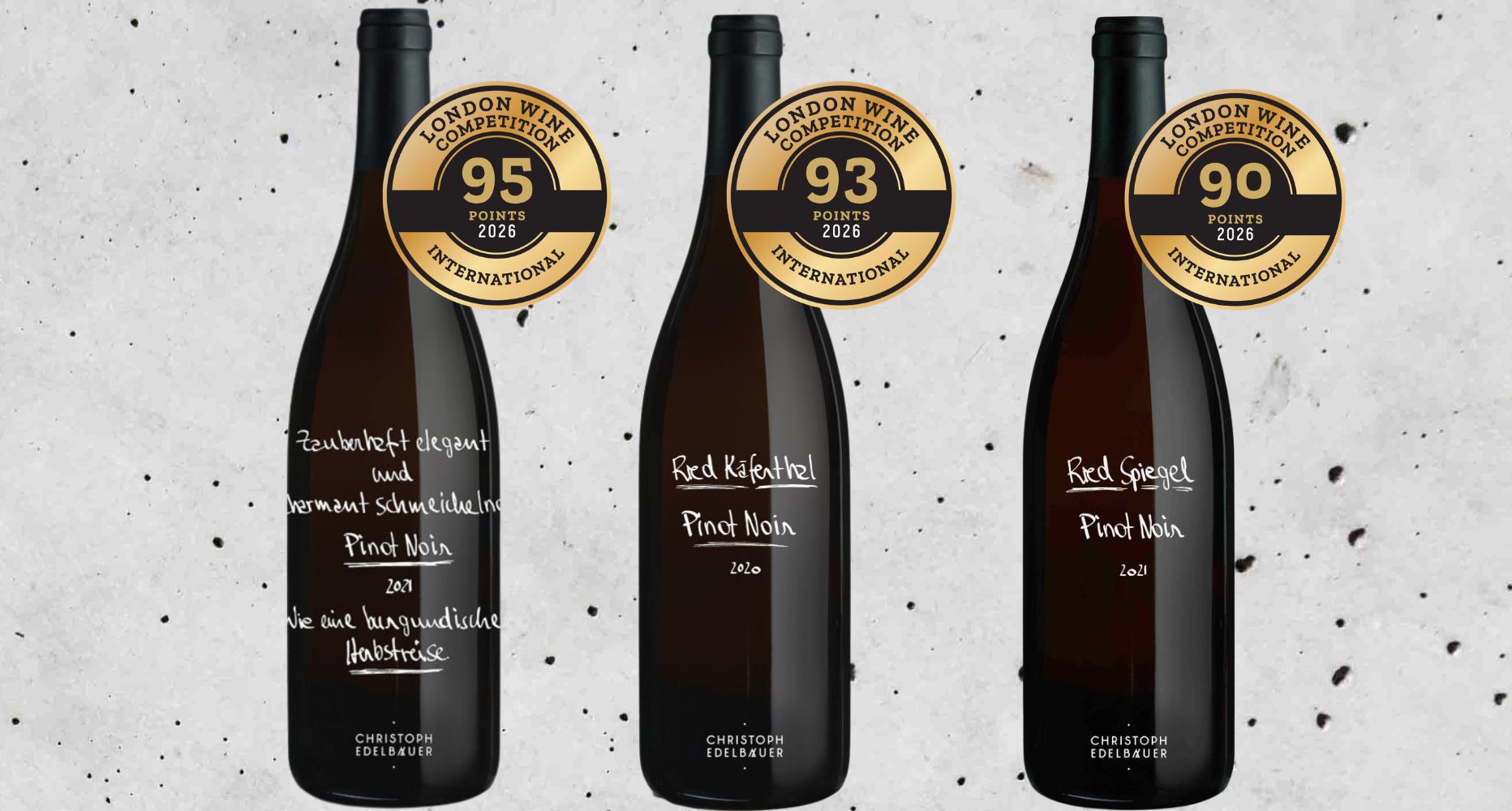
Image: 2026 London Wine Competition Winners - 2021 Pinot Noir, 2020 Pinot Noir Ried Käferthal and 2021 Pinot Noir Ried Spiegel.
"It reveals everything," he says. "It shows every decision made in the vineyard and cellar and forgives very little."
Rather than intimidating him, that uncompromising honesty is exactly what draws him to the variety. Pinot Noir demands patience, restraint, and continual self-reflection. More than any other grape, it has become his benchmark for understanding both vineyards and himself as a winemaker.
The same emphasis on restraint shapes his future ambitions.
Expansion holds little appeal. Instead, Edelbauer wants to deepen his understanding of the vineyards already under his care. He continues to explore the potential of Ried Steinhaus while refining his work with Pinot Noir, investigating longer élevage, larger oak casks, and the relationship between harvest timing and maturation.
"My goal is not greater scale," he says. "It is greater depth."
The objective is to create wines with even greater precision, ageing potential, and transparency while remaining unmistakably connected to their origins.
That clarity extends beyond the wines themselves.
For importers, Edelbauer believes technical quality alone is no longer enough. Today's premium market demands identity, conviction, and emotional resonance. Every aspect of the estate, from the architecture and visual identity to the language surrounding the wines, is intended to reinforce a coherent story built around authenticity rather than fashion.
"Ultimately," he reflects, "people do not fall in love with products. They fall in love with meaning. The wine is the beginning of that conversation."
Asked what he hopes consumers remember when they encounter his wines, Edelbauer does not mention scores, awards, or individual vintages.
Instead, he returns to the same quiet principles that have guided the estate from the beginning.
"I would like people to associate the name Christoph Edelbauer with clarity, conviction and authenticity," he says. "If someone opens a bottle and feels a genuine connection to a place, a vintage, and a way of working, then the wine has achieved what it was meant to do."
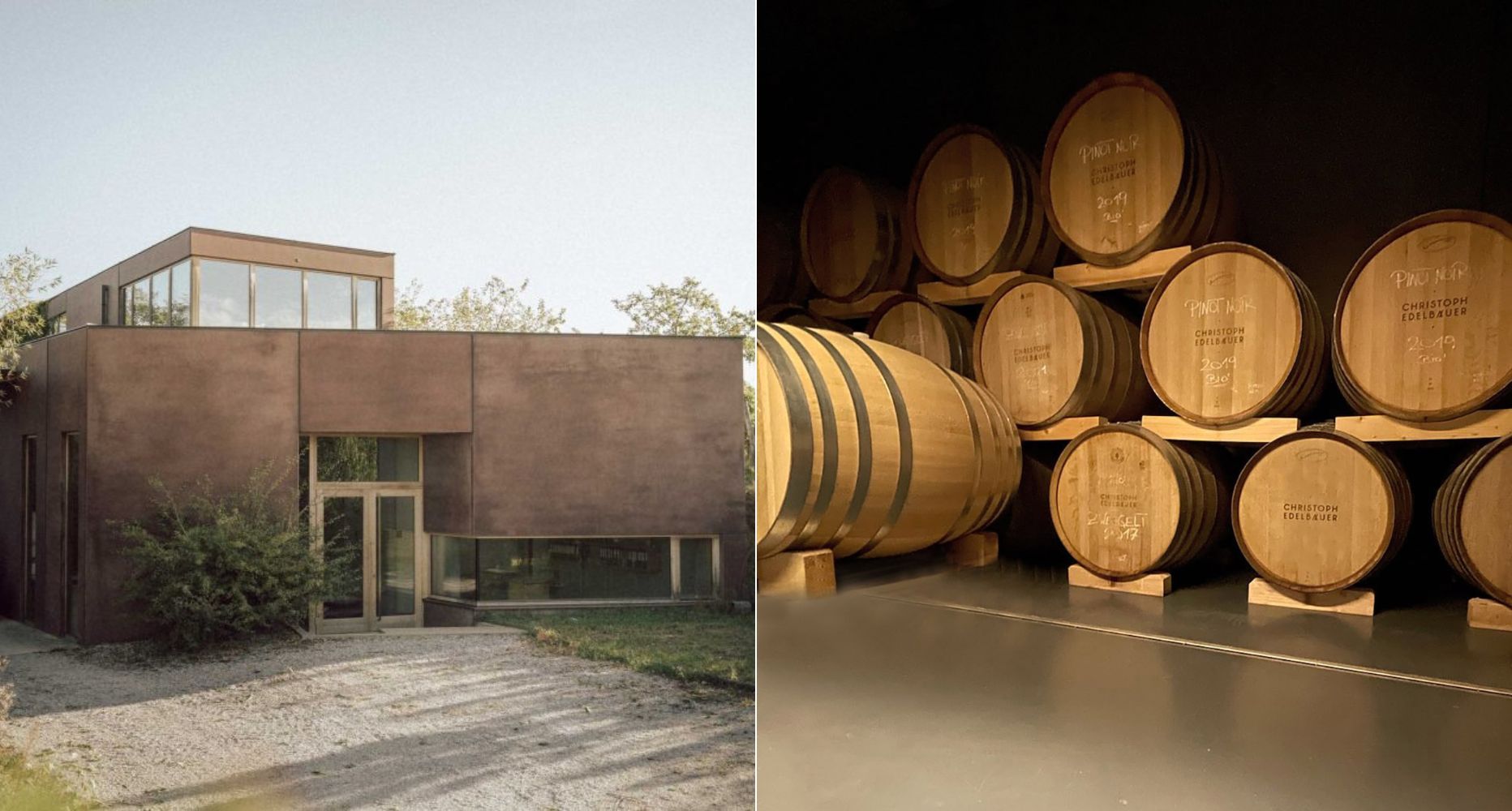
Image: The winery echoes themes of restraint and clarity seen in the winemaking.
In a wine world that often rewards louder voices, Christoph Edelbauer has chosen another path.
He believes that when a winemaker steps back, the vineyard has the opportunity to speak for itself.
And for him, that is where the most compelling wines begin.
Also Read:
Anzivino: A Family’s Commitment to Nebbiolo in the Volcanic Hills of Gattinara
Casagrande della Quercia: The Many Faces of Sangiovese
Gralyn Estate: Five Decades of Family, Fortified Wine, and the Foundations of Margaret River
The 2027 London Wine Competition gives every entrant greater feedback, transparency and commercial insight. Entrants will receive an expanded score breakdown, constructive feedback on how to improve, guidance on how to market and sell their wines, the names of the judges who tasted their entries, final feedback from the Head Judge and a Buyer Market Intelligence Report.
Enter your wines in the 10th edition of the London Wine Competition.